The Association of Mediterranean Maritime Museums (AMMM) is a non profit association with full legal capacity that aims to promote the diffusion, safeguard and awareness of the maritime heritage of the Mediterranean basin. To fulfil these objectives, the Association develops joint action programmes and fosters activities organised by its members.
The AMMM is formed by maritime museums, heritage management institutions and cultural entities acting in the field of maritime heritage from different countries in the Mediterranean area: Algeria, Croatia, France, Gibraltar, Greece, Italy, Malta, Montenegro, Portugal, Principality of Monaco, Slovenia, Spain and Turkey.
During the 8th Triennial Conference of the International Congress of Maritime Museums (ICMM), which took place for the first time in the Mediterranean in 1993, the members of this international association requested the Museu Marítim de Barcelona to act as coordinator and to promote a cooperation network in the Mediterranean area, with the aim of easing communication and collaboration between all maritime museums of the Mediterranean.
Consequently, museum professionals started to gather together to debate about maritime heritage and culture in the framework of the new organisation of Forums of Maritime Heritage of the Mediterranean. As a result of the first common experiences, it was agreed to create a network of maritime museums, with the will of joining efforts and collaborate in promoting and safeguarding maritime heritage. In October 1998 the Association of Maritime Museums of the Mediterranean was constituted in the city of Dubrovnik.
Our statutes
Founding Members
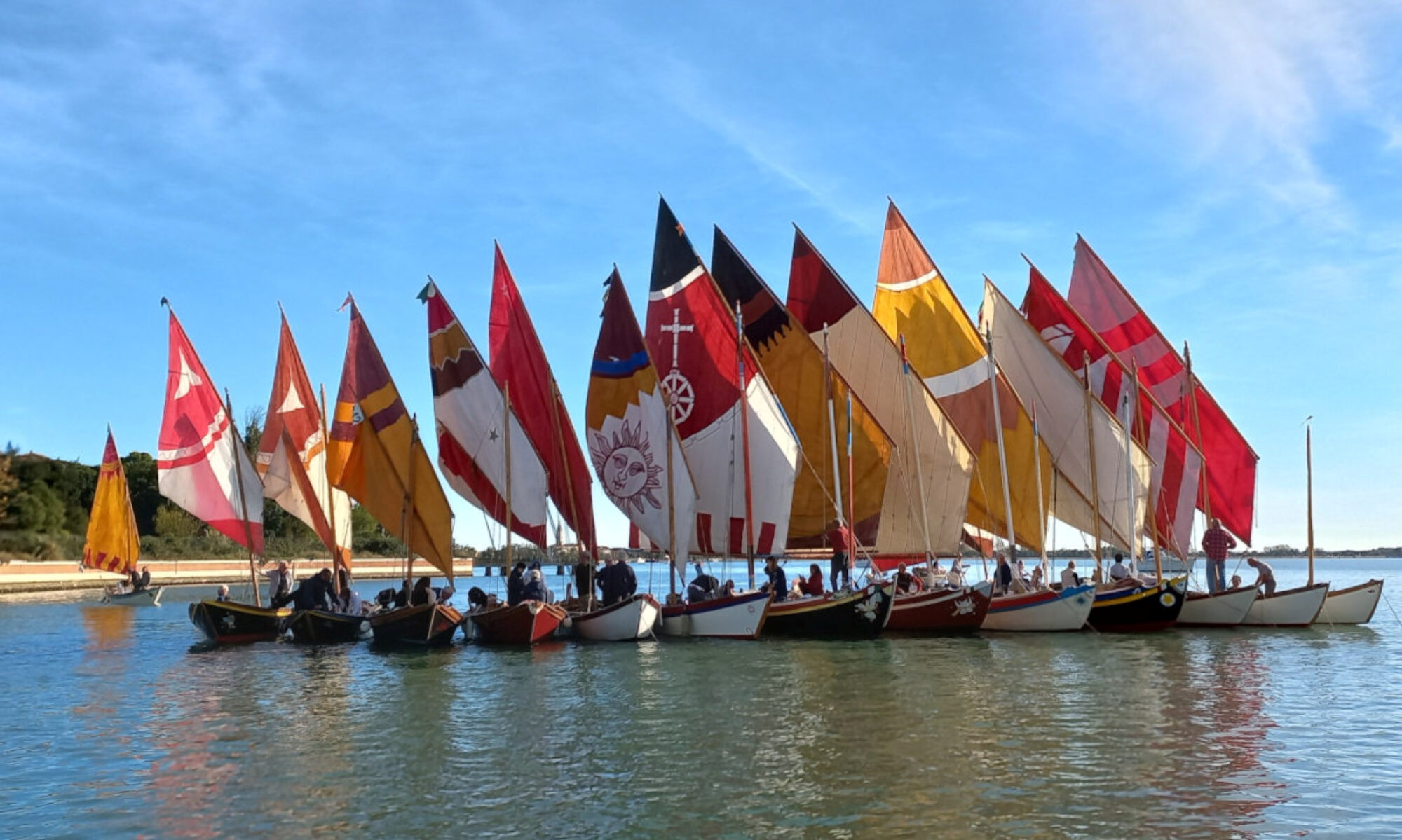
Associazione Vela al Terzo
Venezia, Italy info@velaalterzo.it WebsiteL’Associazione Vela al Terzo riunisce circa 150 soci, che sono proprietari delle loro barche. allo scopo di mantenere e diffondere la conoscenza della laguna veneta e della sua millenaria tradizione marinaresca. E' concessionaria di una sede, situata ai Bacini dell'Arsenale di Venezia con annessa una piccola darsena. L'Associazione inoltre:
- organizza regate e veleggiate
- raccoglie i dati delle barche tradizionali circolanti in laguna
- organizza, mostre e convegni su temi vicini alla marineria tradizionale.
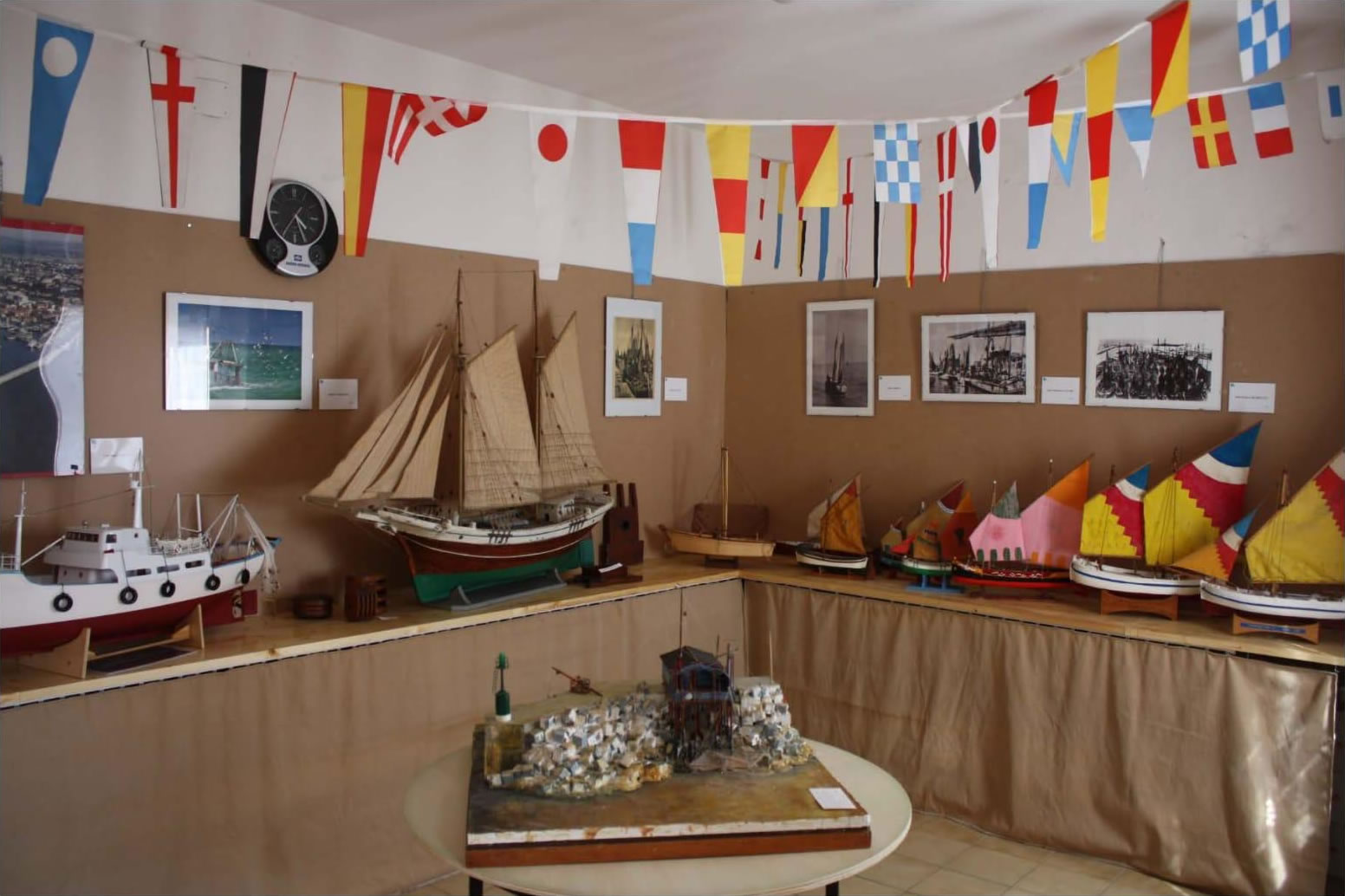
Associazione “Il Ridosso” APS
Fano, Italy info@ilridosso.it WebsiteAnimata da un gruppo di appassionati della vita marinara e in particolare quella legata alle tradizioni locali, l'Associazione "Il Ridosso" deve il suo nome dalla traduzione letteraria di uno spaccato di vita marinara anni ’30.
Obiettivo principale dell'Associazione è quello di divulgare, specialmente alle nuove generazioni, tutto ciò che è attinente al mondo della pesca e alle tradizioni marinare che hanno caratterizzato e influenzato la vita della città di Fano, organizzando visite guidate al Borgo Marinaro. Un altro obiettivo fondamentale è quello di far conoscere e trasmettere agli alunni delle scuole primarie e secondarie di primo grado, tutto ciò che riguarda il mondo della pesca e le sue tradizioni, attraverso percorsi che prevedono visite guidate in sede e in altre strutture.
All'interno della sede, è stata allestita una esposizione permanente riguardante vita marinara, attività di pesca, imbarcazioni e reti da pesca in uso nella marineria locale, quadri e stampe, attrezzi e manufatti relativi alla costruzione delle barche.
Museu Marítimo de Ílhavo (MMI)
Ílhavo, Portugal museuilhavo@cm-ilhavo.pt WebsiteThe Ílhavo Maritime Museum (MMI) is a museum owned by the Ílhavo City Council. He was born on August 8, 1937 as a place of memory for the islanders who created it; it began by taking on an ethnographic and regional vocation. In 2001 it was renovated and expanded, moving into a beautiful building with modern architecture designed by ARX Portugal.
MMI’s mission is to preserve the memory of work at sea and promote the maritime culture and identity of the Portuguese. Museum, Aquarium and Research and the Center for Maritime Religiosity and Navio Museu Santo André centers summarize the current Museum, an institution dedicated to all coastal communities and open to the most diverse audiences.
The MMI is testimony to the strong connection between Ílhavos and the sea and the Ria de Aveiro. Cod fishing in the seas of Newfoundland and Greenland, the work of the Ria and the Ílhavos diaspora along the Portuguese coast are the Museum's main heritage references.
Maritime Museum of Crete
Crete, Greece, Greece ma-mus@otonet.gr WebsiteThe Maritime Museum of Crete was founded in 1973. It is the second oldest Maritime Museum in Greece, after the Maritime Museum of Greece in Piraeus and it welcomes approximately 45,000 visitors every year.
At the western entrance of the harbor of Chania stands the fortress of Firka. Here, on December 1, 1913, the Greek flag was hoisted, sealing the union of Crete with motherland Greece. At the entrance to this fortress stands the Maritime Museum of Crete, founded in 1973 to preserve and showcase the nautical tradition and history of the region.
The story of our nautical tradition begins with ship model from Minoan civilization, the Athenian trireme, and other vessels from the same period. It continues through the Wars of Independence in the 19th century, Balkan Wars (1912-1913) and World War I (1914-1918), World War II, with relics, exhibits and models of significant historical vessels. The museum’s collections are completed with models of modern historic ships, a stamp collection related to navigation and the marine environment, and other noteworthy items, including navigational instruments.
The visit path includes Moro Neorio (Shipyard), with a permanent exhibition of ancient and traditional shipbuilding and a reconstruction of a Minoan-era vessel.
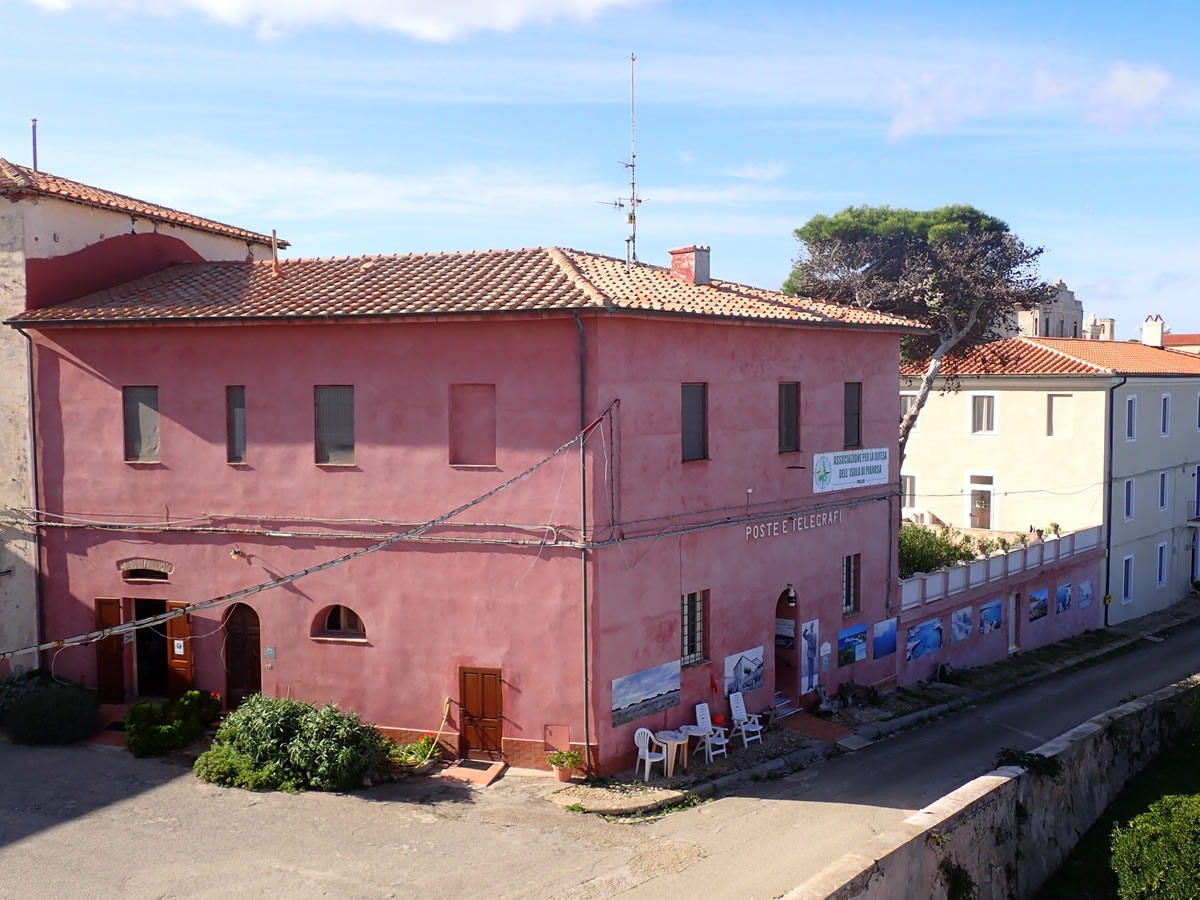
Museo di storia pianosina
Pianosa, Livorno, Italy pianosa@associazionepianosa.it Website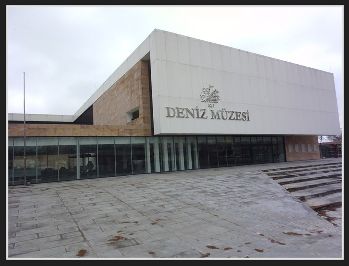
Istanbul Deniz Müzesi
Istanbul, Turkey muze.istanbul.iletisim@dzkk.tsk.tr WebsiteThe Istanbul Naval Museum, founded in 1897, aims to display Turkish naval history from past to present. It contains the largest collection of historical caiques consisting of 14 imperial caiques, the world’s oldest historical galley and other historical caiques. It is one of the leading museums in Turkey with its collections consisting of 20.000 objects related to the maritime heritage.
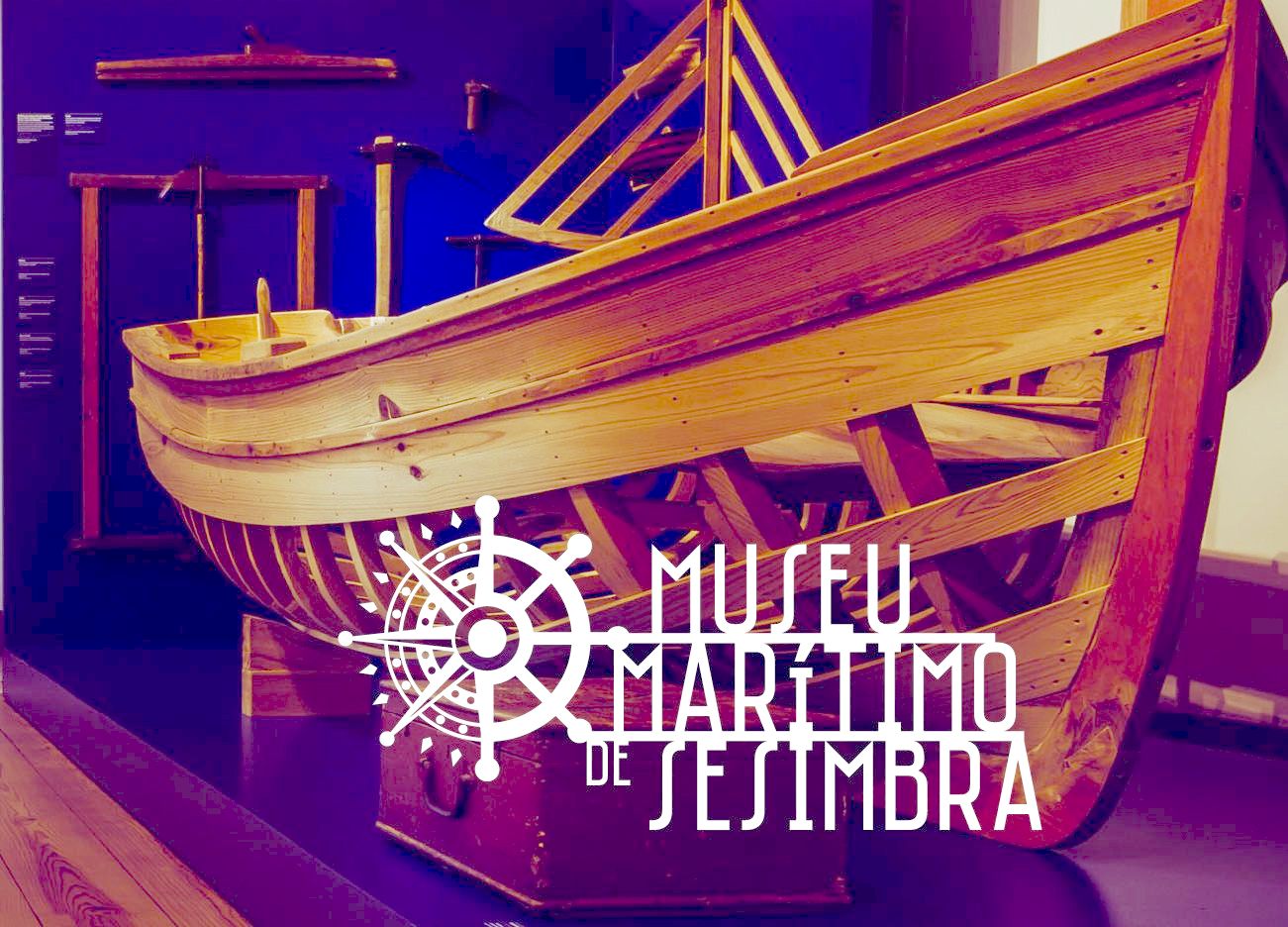
Museu Marítimo de Sesimbra
Sesimbra, Portugal museu@cm-sesimbra.pt WebsiteSesimbra Maritime Museum is located in Santiago Fortress and exhibits a rich heritage linked to the sea and fishing, largely the result of working closely with the fishing community. A 2000 year old anchor stock associated with navigation in the Roman period and a set of hooks and net weights dated between 2500 and 200 BC are the oldest artifacts in exhibition, which transport the visitor back in time to meet the various peoples that passed through the territory, as well as their strong relationship with the sea.
mailmuseu@cm-sesimbra.pt
homevisit the website
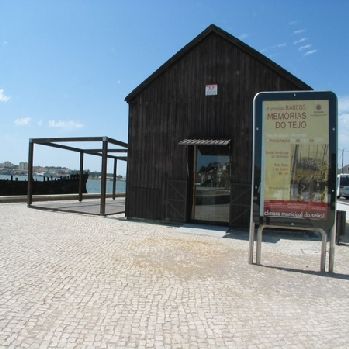
Ecomuseu Municipal do Seixal
Seixal, Portugal ecomuseu@cm-seixal.pt WebsiteThe Municipal Ecomuseum of Seixal was created in 1982. Its collection is founded on built cultural heritage, floating heritage and moveable assets –archaeological, technical and industrial, artistic and ethnographic collections and documentary resources– in their majority derived from sources within the council.
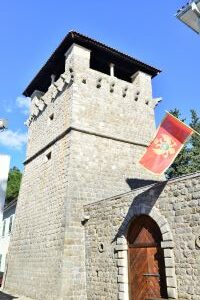
Museum and Gallery of Tivat
Tivat, Montenegro muzejigalerija.tivat@gmail.com WebsiteMuseum and gallery of Tivat is situated in a former summerhouse residence of Buća and Luković families. Visitors can look at museum and art exhibitions as well as enjoy walking through protected cultural heritage site.
Founded by the Municipality of Tivat at 2017th, museum is dedicated to raise awareness and share heritage about our rich mediterranean common maritime heritage. Adriatic sea connects our coastal communities where sailors spread and bring culture, language and skills. A long time ago sinergy between sailors and mediterranean cities shaped the area of Boka Bay.
Museum have ethnographic, art and arheological collection. Ethnographic collection has also navigation instruments, boath equipment and uniform.
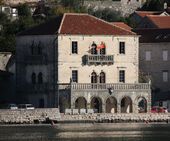
Muzej grada Perasta
Perast, Montenegro muzejperast@t-com.me WebsiteThe palace which houses the Museum of the Town of Perast is one of the most famous monuments of the 17th century profane architecture, on the east Adriatic coast. Built by brothers Ivan and Vicko Bujović, the Museum of the Town of Perast has three collections: art historian, ethnological and maritime collection from the 16th to 20th century. The Museum preserves a very rich archival fund of the Perast municipality dated from 1441-1945; the primary school archive from 1871-1950; the Viskovic family archives from 1457-1927 and the library of family Visković and Balović.
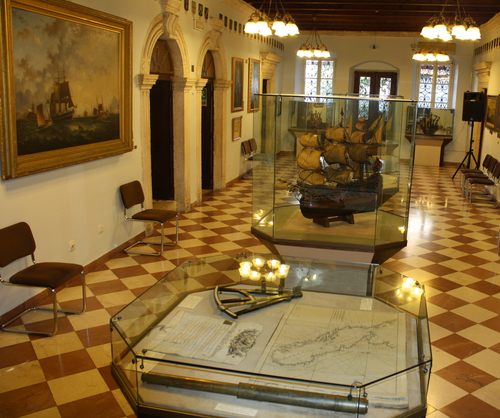
Pomorski Muzej Crne Gore, Kotor
Kotor, Montenegro pom.muzej.dir@t-com.me WebsiteThe Maritime Museum of Montenegro in Kotor was created thanks to a collection founded by the “Boka Marine” Fraternity around the year 1880. It opened to public in 1900. It gradually enlarged and in 1938 it was re-arranged and opened to visitors on the first floor of the present Museum building. It was only after the end of World War II, in the period 1949-1952, that the whole building, a Baroque palace of the Grgurina noble family from the beginning of the 18th century, was completely restored and adapted to meet the needs of the Museum. The disastrous earthquake of April 15, 1979, caused halt in regular activities of the Museum, its building being considerably damaged. In the period from 1982 to 1984, conservation and restoration works were finished and after the five year period of renovation, the Museum continued its activities.
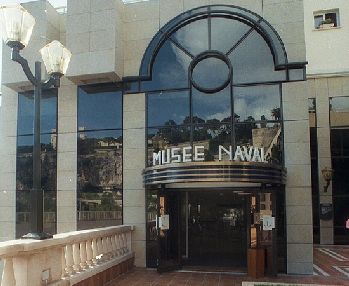
Musée Naval de Monaco
Monaco, Monaco Claude_Pallanca@libello.com WebsiteThe Naval Museum, a true maritime encyclopaedia founded in 1993, displays a splendid collection of more than 250 ship models and marine objects, dated from ancient times to today. Its collection also enhances many ancient models in loan from the magnificent personal collection of H.S.M. Prince Rainier III of Monaco enhance the collection. Among the modern ships collection there is a huge 5 m long model of the American aircraft carrier Nimitz.
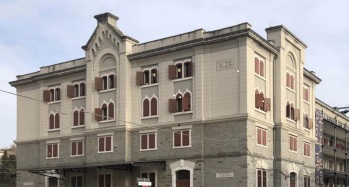
Museo del Mare di Trieste
Triestre, Italy museomare@comune.trieste.it WebsiteFounded in 1904, the Maritime Museum deals with the maritime history and its relationship with the Trieste one. It preserves models, tools, paintings, sketches, documents, photographs, books, logs, shipboard items, nautical charts and more. After several location changes during time, it is now located in Magazzino 26 (built in 1897), the largest building in the old free port. The Museum offers the visitor thematic sections that delve into aspects linked to sea history, economy and society: from technological developments to the birth of shipping companies, from fishing to the development of the port.
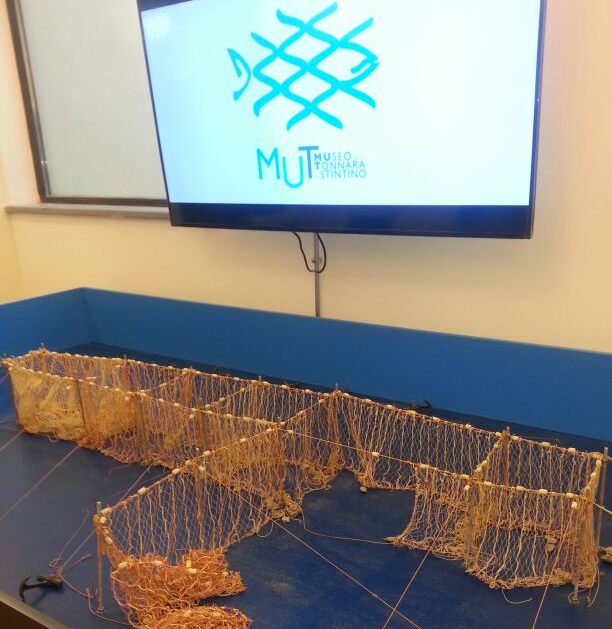
MuT Museo della Tonnara di Stintino
Stintino, Italy info@mutstintino.com WebsiteThe Tuna Fishing Museum of Stintino tells the story of a time that no longer exists. It describes fish schools that follow the Mediterranean Sea currents; the crews which wait for their catch, and about the network system that intercepts the passage of the tunas. The Museum describes the traditional method of tuna fishing, practiced in the Gulf of Asinara until the last century. It allows us to picture the lives of the men who fished and prepared tunas with great effort and tenacity. It contains the identity of a whole village, Stintino, whose history is closely related to the Tonnara Saline. It perpetuates, today, the memory of men and the sea.
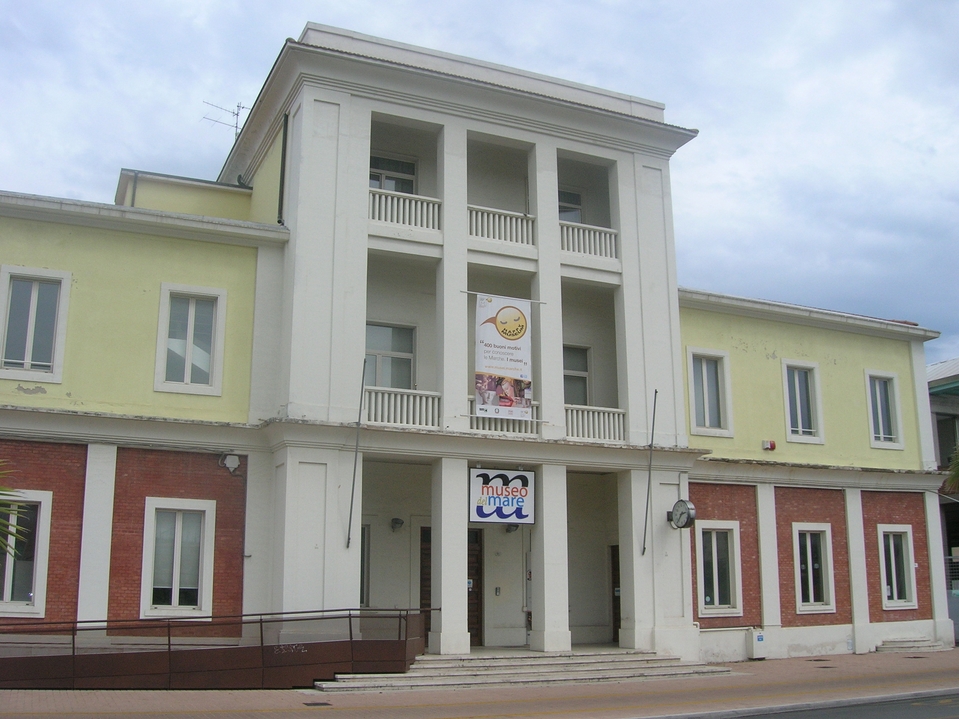
Polo Museale Museo del Mare, San Benedetto del Tronto
San Benedetto del Tronto, Italy museodelmare@comunesbt.it WebsiteThe "Sea Museum" of San Benedetto del Tronto is hosted in the Wholesale Fish Market, built in 1935 within the port area, surrounded by a unique scenario, where the sea is the undisputed key figure. The Museum tells us the story both ancient and contemporary of the city and its surrounding territory, its fishing economy and trading; it displays dozens of fish species, some of which very rare, very old amphorae, images, paintings, tools, instruments, books, a unique ultramodern 3D room, and much more.
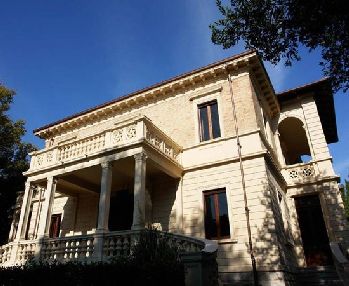
Museo della Marineria “W. Patrignani”
Pesaro, Italy museomarineria@comune.pesaro.ps.it WebsiteThe new look of the museum focuses on the maritime identity of Pesaro in the XV-XX centuries, showing the visitor a route of discovery and exploration into the daily working life of the port and coastal activities, with the intention of highlighting the original maritime features and identity of the city. Archival documentation identified Pesaro harbour as the Adriatic base and inspiration for the spreading of "trawl" fishing in deep waters, on "tartana" boats in the beginning of the XVII century.
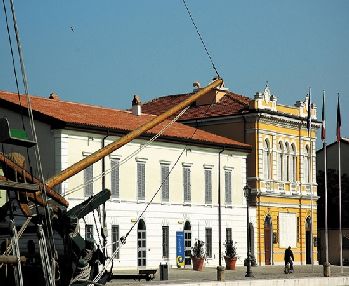
Museo della Marineria
Cesenatico, Italy museomarineria@cesenatico.it WebsiteThe Maritime Museum of Cesenatico has the mission to preserve and disseminate the maritime heritage related to northern and central Adriatic Sea. The museum consists of a floating section, launched in 1983, now with eleven traditional boats (three in operation), and a ground section opened in 2005 in a new building.
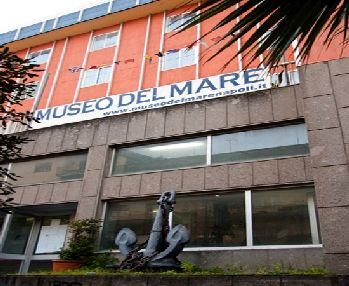
Museo del Mare di Napoli
Napoli, Italy info@museodelmarenapoli.it WebsiteThe Museum of the Sea, which includes a rich collection of great historical and artistic value and a valuable collection of books of specific interest, constitutes a unique testimony of the evolution of the Neapolitan Navy for the last three centuries. Over the years donations and private entities have enriched the heritage collection and enlarged the cultural offer.
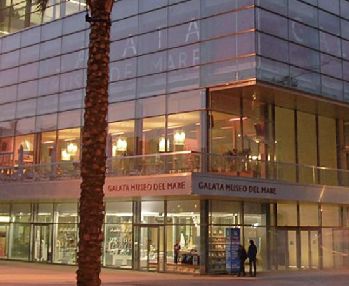
Galata Museo del Mare
Genova, Italy info@galatamuseodelmare.it WebsiteThe Galata Maritime Museum, the Museum-Theatre Commenda di San Giovanni di Pré, and the Pegli Naval Museum are museal complex, that are managed by a single organizational structure, Institution of Maritime and Migration Museums (Mu.MA), founded by the Municipality of Genoa. Thanks to its characteristics of autonomy and agility, the Mu.MA constitutes a cultural centre of excellence, tied to the world of the sea, covering in each museum cities’ historical-maritime identity, its welcoming embrace of pilgrims and emigrated, geographic explorations, exchanges of trade and peoples.
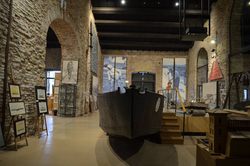
MUSA Museo del sale di Cervia
Cervia, Italy musa@comunecervia.it WebsiteA museum about people and land with a particular focus on the relationship between people and water areas: ancient and modern salt production, trade waterways or seaways, the rehabilitation of farmland and the development of seaside tourism. Wooden tools, documentation, photographs, ancient maps, important archaeological finds, salt cellars, scales, charming shapes made of salt - such as crystals and nativity scenes - track the history of Cervia’s area with particular reference to the history of its saltpans. MUSA is one of Emilia Romagna’s Quality Museums.
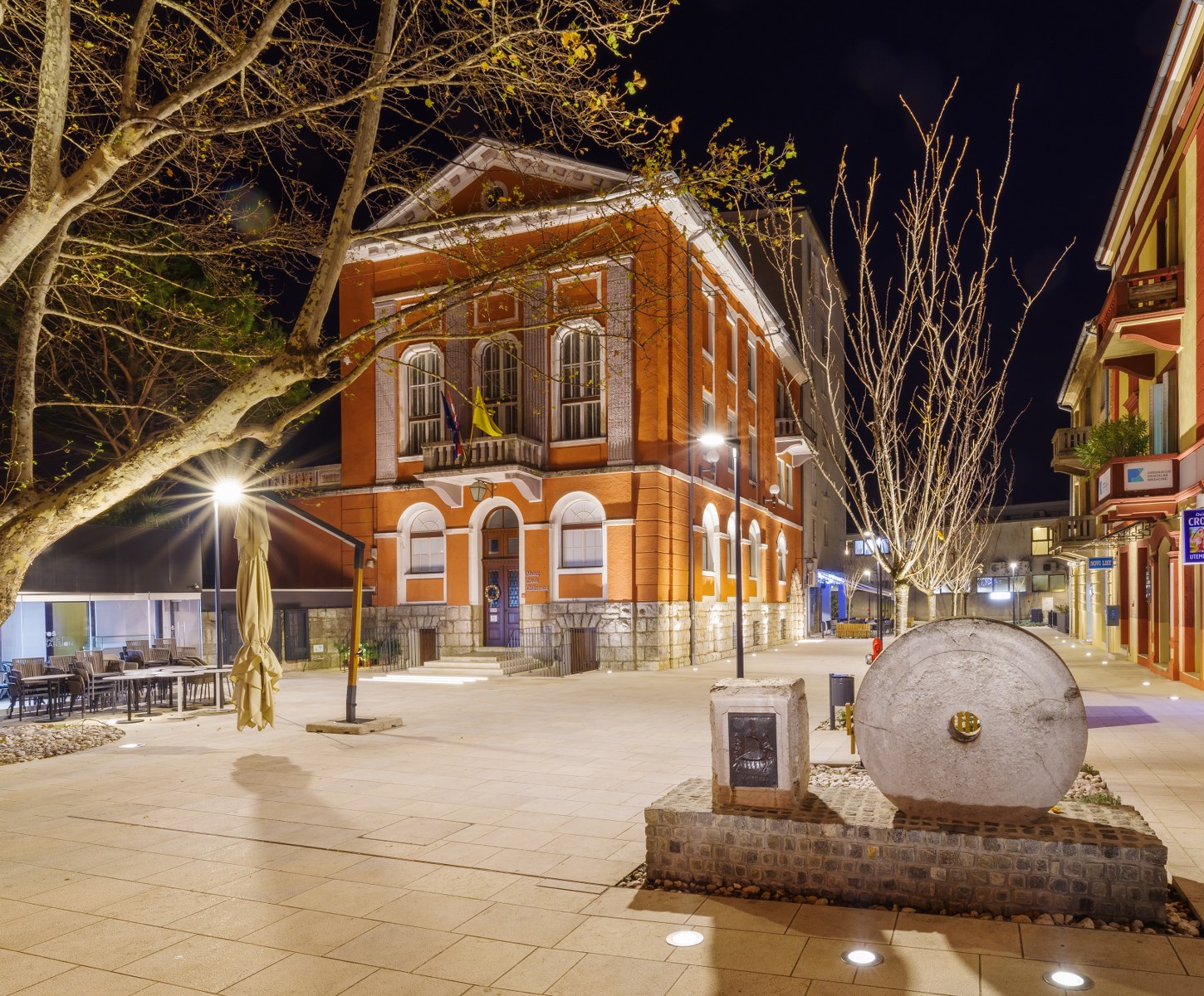
Musej Grada Crikvenice
Crikvenica, Croatia mgc@mgc.hr WebsiteThe Crikvenica Town Museum, located in the old Town Council in the heart of Crikvenica, was established in 2008. The museum collects items that document life in the area of Crikvenica and its environs from prehistory to the later half of the 20th C. Fishing had been one of the primary occupations of Crikvenica natives, having particular importance to the growth of Crikvenica and the surrounding communities. The Museum gathers fishing implements, boat models, documentary materials, navigational charts, photographs and literature testifying to the development of fishing at the local and wider Adriatic levels. These materials are displayed in the ‘Fishermen’s Cottage’ in Jadranovoa and through the restored traditional boat „Smilja“,berthed in the Crikvenica harbour.
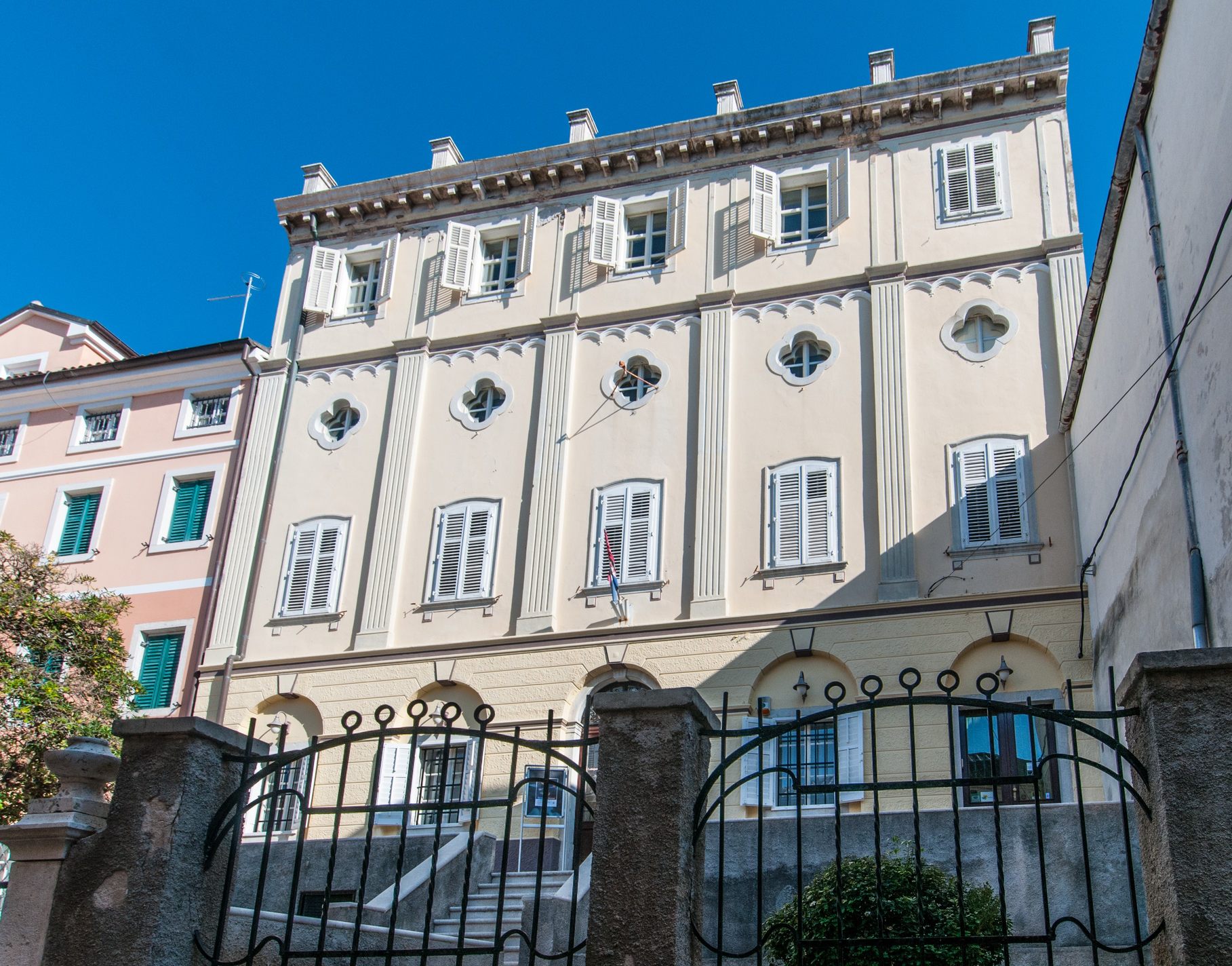
Lošinjski muzej
Mali Losinj, Croatia info@muzej.losinj.hr WebsiteThe Lošinj Museum is a very specific and complex museum. It is a museum located on two islands in four historical buildings. The head office of the Museum is at the Fritzi Palace in Mali Lošinj, a highly valuable example of civil architecture.
The Museum is composed of archaeology, ethnography, art collections, cultural-history and maritime departments, and offers a range of themes. It tells us about the ancient and contemporary history of the islands: Lošinj, Cres and its surrounding islands.
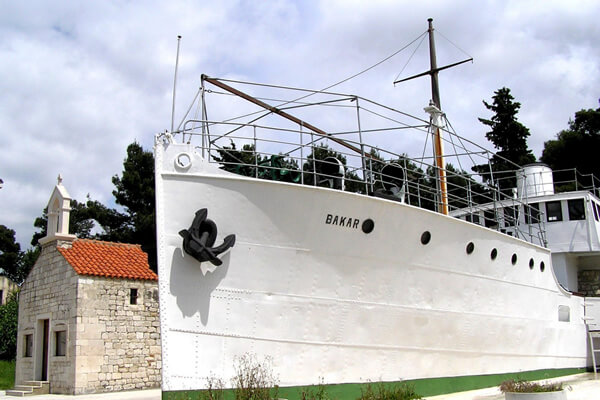
Hrvatski pomorski muzej Split
Split, Croatia hpms@hpms.hr WebsiteThe Croatian Maritime Museum Split holds collections of precious historical objects presenting a range of Croatian maritime heritage: marine archaeology, merchant and military navy, shipbuilding history, fishing economy and trading, weapons starting from the Middle Ages, through first world's torpedoes up to the end of the Croatian War of Independence (1991 – 1995). Museum is located in the Fortress Gripe, a 17th century stronghold that the Venetian Republic built in order to defend the town of Split from the Ottomans.
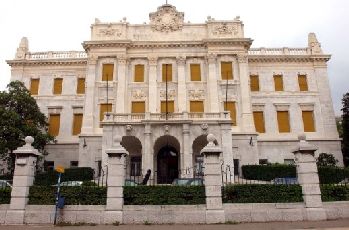
Pomorski i Povijesni Muzej Hrvatskog Primorja Rijeka
Rijeka, Croatia muzej@ppmhp.hr WebsiteThe Maritime and History Museum of Croatian Littoral Rijeka is a complex regional museum composed of archaeology, ethnography, cultural-history and maritime history departments. The Museum has the seat in the former Governor's Palace in Rijeka, the first grade cultural monument building. The activities of the Museum are oriented towards emphasizing traditional Croatian values and preserving the maritime heritage of Rijeka and the Croatian Littoral.
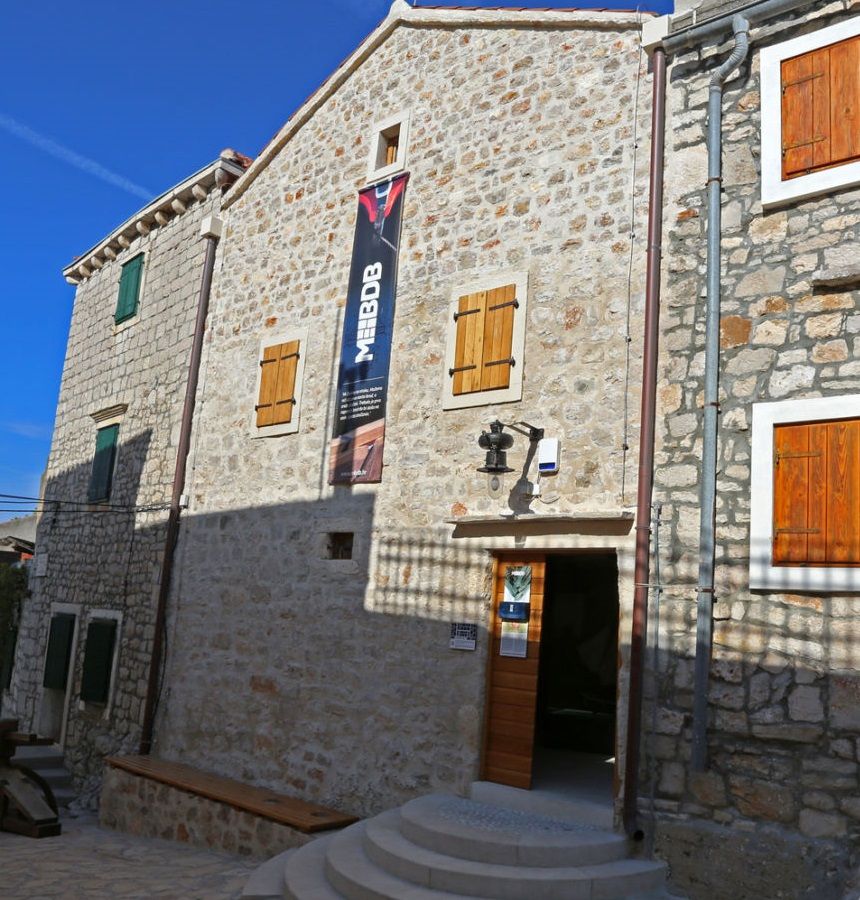
Muzej betinske drvene brodogradnje
Betina, Croatia muzej@mbdb.hr WebsiteThe Betina Museum of Wooden Shipbuilding is located in a protected cultural and historical area of Betina. The permanent exhibition shows the history and use of traditional wooden boats in Betina and the complete wooden shipbuilding story since its beginning in the 18th century until the present day. The Museum tells about a society who lived in the time when wooden boats were irreplaceable in everyday lives of the peoples from Betina and Murter. There are shipbuilding tools, as well as everyday items gathered from private collections of local people witnessing the customs and the culture of the village.
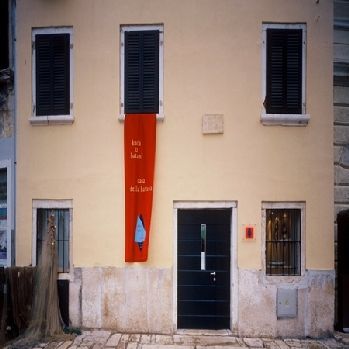
Ekomuzeja Kuca o batani, Roviño
Rovinj, Croatia batana@rv-batana.htnet.hr WebsiteThe Eco-museum «The Batana House» was founded in 2004 in Rovinj, Croatia. Its activities unite the protection of the tangible and intangible maritime heritage, cultural tourism and education, community empowerment work and creative sustainable development.
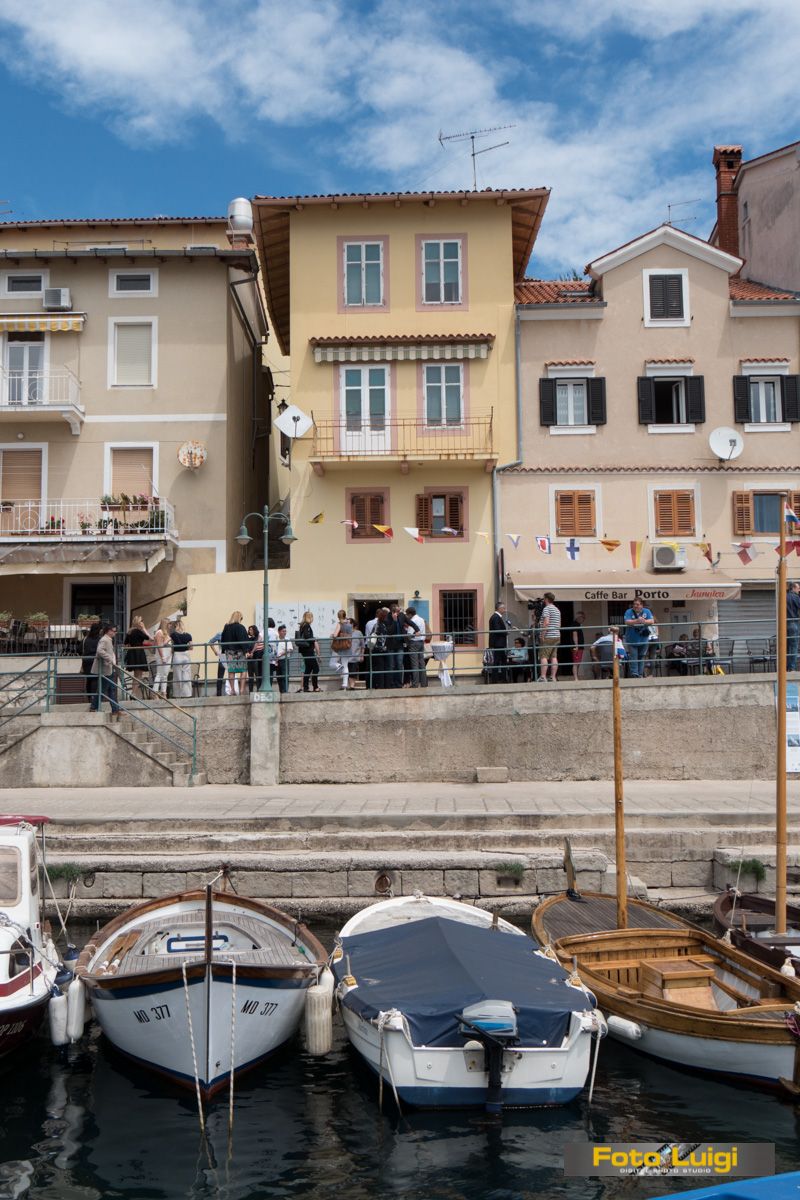
Kuća od mora, Ekomuzeja Mošćenička Draga
Mošćenička, Croatia info@tz-moscenicka.hr WebsiteThe Interpretation Centre for Fishing and Maritime Heritage “The House of the Sea” is a constituent part of the Ecomuseum Mošćenička Draga, founded in Mošćenička Draga, Croatia in 2012. The basic goal of the Ecomuseum is the preservation and valorisation of the historical heritage potential, as well as the development of cultural tourism.
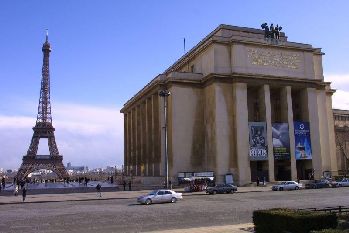
Musée national de la Marine, Paris
Paris, France fos.public@musee-marine.fr WebsiteFurther to the creation of the collections in 1748, significantly enriched, the National Marine Museum, created in 1827, offers a range of maritime themes: military and merchant navy, fishing, research fleet or yachting and pleasure boating. The museum is located in Paris and in four ports, Brest, Port-Louis, Rochefort and Toulon.
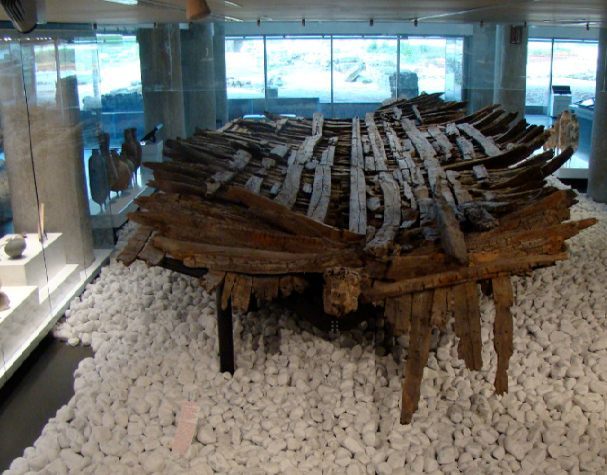
Musée d’Histoire de Marseille
Marseille, France musee-histoire@marseille.fr WebsiteThe Marseille History Museum, a municipal institution, was inaugurated in 1983 on the archaeological area of the ancient city: the harbour, the entrance and the walls. The museum presents the history of the city founded in 600 B.C. by Phocean sailors up to today, keeping its harbour in the heart of the discourse. The museum exhibits include six ancient shipwrecks, which are unique in the world. A seventh one and a port warehouse are displayed in the Roman Docks Museum, an annex of the History Museum mainly dedicated to maritime trade in antiquity.
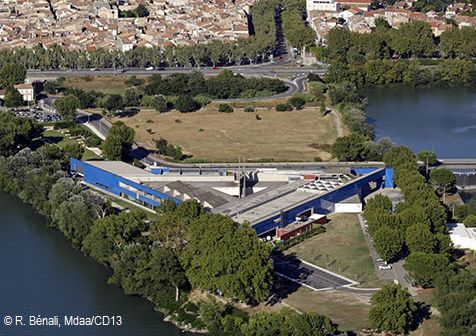
Musée départemental Arles antique
Arles, France info.mdaa@departement13.fr WebsiteThis museum, established in southern France in a resolutely modern building inaugurated in 1995, is dedicated to the archaeological collections discovered in the vicinity of Arles. However its origin is actually much older, dating back to the creation of a public museum of antiquities in 1784, one of the first museums of the country. With excavations conducted since the 1980s in the Rhône River, its delta, and the adjacent sea, and especially with the excavation and rising of the Arles-Rhône 3 shipwreck in 2011, the museum has been enriched with new artefacts, linked to the river and maritime port in Roman times. These collections, including the 31-metre AR3 barge, are exhibited today in a new wing housing nearly 500 objects related to navigation, trade and port activities.
European Maritime Heritage
, Europe office@emh-org.com WebsiteEuropean Maritime Heritage (EMH) is a non-governmental organization for private owners of traditional ships, as well as for maritime museums and other interested bodies.
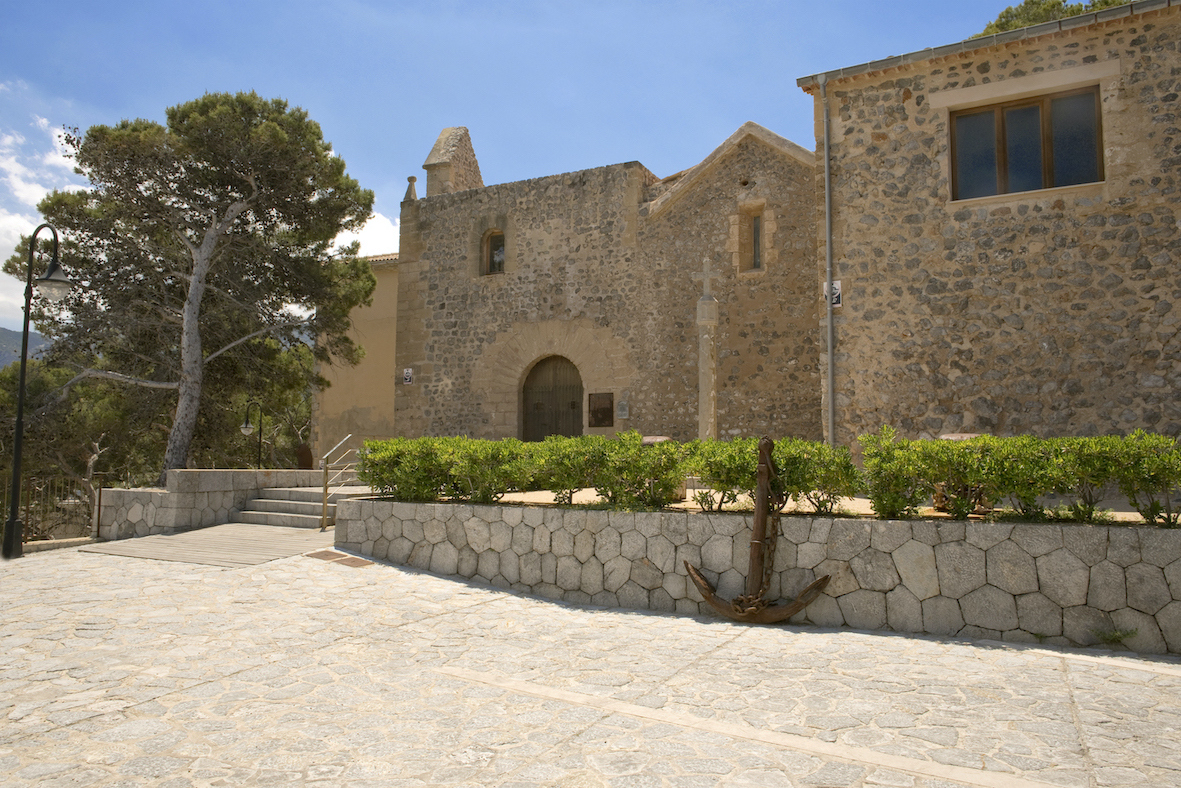
Museu Marítim de Mallorca
Mallorca, Spain informaciomaritim@conselldemallorca.net WebsiteThe Museu Marítim de Mallorca proposal is for the museum to be a living and dynamic entity. It must embrace and reveal the different maritime events that have occurred on our island at different times and in different places. This is why our proposal is structured via a series of work axes. These allow us to approach the sea as a cross-sectional space for both reflection and action. Our intention, through these work axes, is to generate a discourse that helps us to understand the nature of our society, and how we relate to the sea. The discourse will cover the arrival of the first seafarers, almost 4,500 years ago, until the present day.
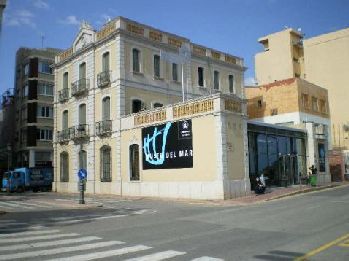
Museu del Mar
Lloret de Mar, Spain museudelmar@lloret.cat WebsiteVisiting the Maritime Museum is like going on a journey. A journey that begins with the recollections of a relationship lost in time where Lloret and the sea contemplate one another. It continues with journeys and coasting trade in the Mediterranean and the great high sea adventures of Lloret's navigators. Last of all, the imprint left on the town by these events is exhibited in the form of heritage.
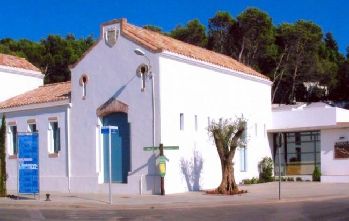
Museu de l’Anxova i de la Sal
L'Escala, Spain info@anxova-sal.cat WebsiteOver the centuries, l’Escala has preserved an industry which has given the town fame the world over: salting anchovies. The Anchovy and Salt Museum shows the history of fishing and of salting blue fish, from the 16th century to the present, and enables you to discover a time, a heritage and a knowledge that are unique on the Catalan coast.
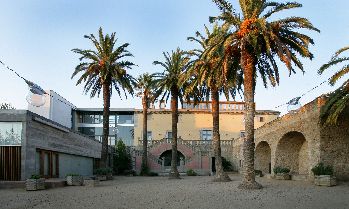
Museu de la Mediterrània
Torroella de Montgrí, Spain info@museudelamediterrania.cat WebsiteThe Mediterranean Museum opens its doors to the discovery and understanding of human space of the Mediterranean from the territory of Montgrí, the plain of the Medes Islands and Baix Ter. A participatory experience for young and old who invites us to smell the aromas of the Mediterranean, and listen to your music sounds, touch history and enjoy a panoramic visual that brings us to the real Mediterranean today.
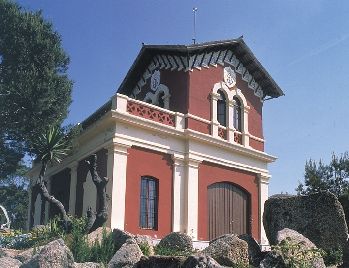
Museu d’Història de Sant Feliu de Guíxols
Sant Feliu de Guíxols, Spain museuhistoria@guixols.cat WebsiteThe Museum, located in a Benedictine monastery, shows the life and evolution of the Monastery of Sant Feliu, and the work the local society carried out over the centuries: fishing, cork and tourism linked to the sea bathing. The Shipwrecked Rescue House preserves the boat collection and all the tools used by the Rescue Society in the end of the 20th C.
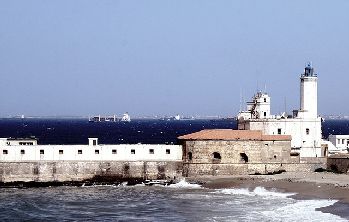
Musée maritime de Alger
Algiers, Algeria amokranesalah@yahoo.fr WebsiteThe Maritime Museum of Algiers is located in the Khair-Eddine building, an architectural element of the former Algerian Arsenal, where major construction and repair works were carried out on the ships of the Algerian fleet. The mission of the Museum is to recover, restore, preserve and acquire objects and collections related to the field of maritime heritage culture.
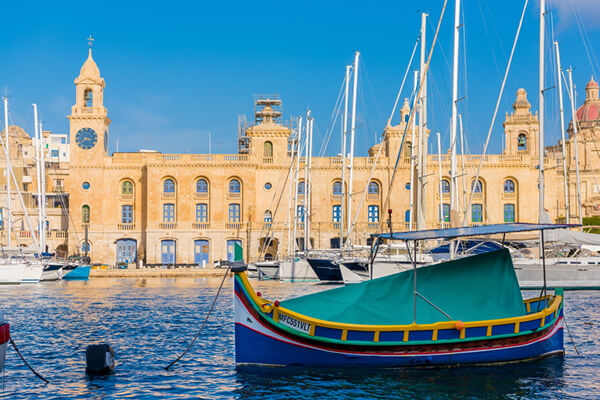
Malta Maritime Museum
Vittoriosa, Malta info@heritagemalta.org WebsiteThe Malta Maritime Museum was inaugurated in 1992. The Museum was setup to encompass Malta’s rich maritime past. With the help of over 8,000 objects the museum discusses the history of a small island in the middle of the Mediterranean Sea from pre-history up till today. The Museum helps in transmitting a Maltese Maritime identity, with the help of such objects as well as a library and an archive.
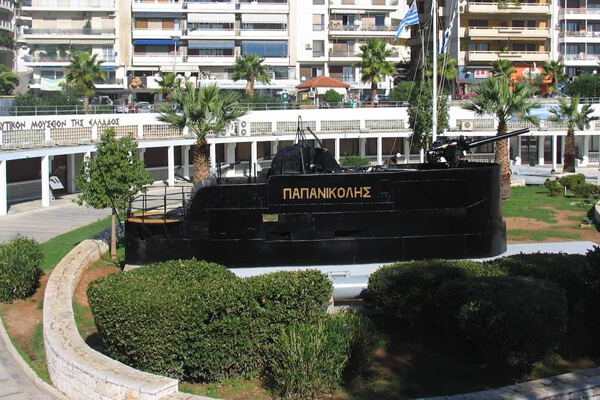
Hellenic Maritime Museum
Piraeus, Greece nme@internet.gr WebsiteThe Hellenic Maritime Museum was founded in 1949 and since 1971 it is located in the Marina Zeas building in Freattyda, Piraeus. It is the biggest Maritime Museum in Greece and presents the creation, history and development o the Hellenic Navy form the prehistoric times to our days. The aims of the Museum are to search, study, document, recover, collect, maintain, preserve and display objects related to the performance of Greeks in the marine works from the prehistoric years up to today.
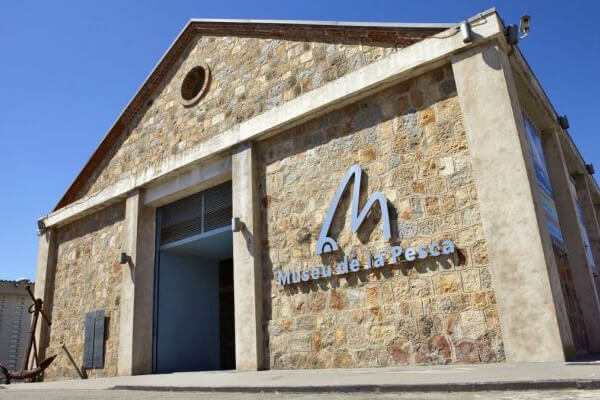
Museu de la Pesca
Palamós, Spain museudelapesca@palamos.org WebsiteThe world of Fishing, a unique specialised Museum in the Mediterranean area. This Centre presents the past, the present and the future of fishing, through its permanent exhibition and a set of activities related to the maritime fact of the Costa Brava.
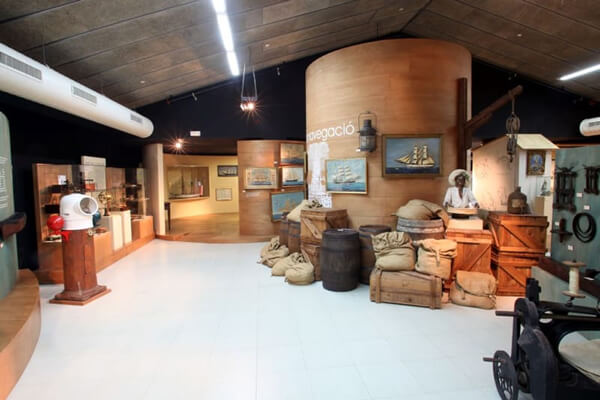
Museu de la Nautica del Masnou
El Masnou, Spain museu.nautica@elmasnou.net WebsiteIn year 1962 the Archaeological Historic Museum opened with the objective of preserving and disseminating the archaeological objects of El Masnou. Little by little the maritime objects of its collection gained importance and in 1990 it became the Municipal Nautical Museum. The Museum has an important maritime heritage, of which it is worth mentioning the navigation devices, a gallery on maritime theme, a large number of nautical charts and a specialized library since the 18th century.
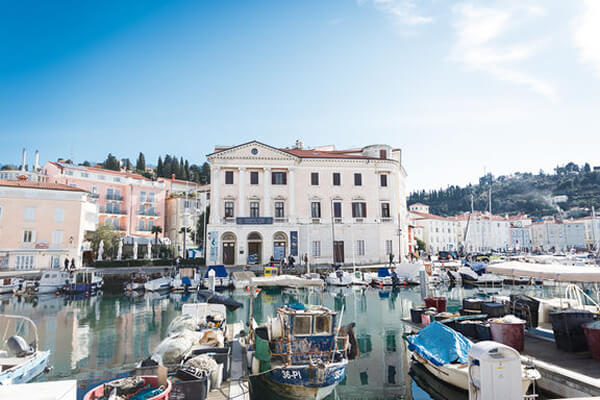
Pomorski muzej – Museo Marítimo «Sergej Mašera»
Piran, Slovenia muzej@pommuz-pi.si WebsiteThe seat of the Maritime Museum “Sergej Mašera” Piran is in the two-storied classicistic Gabrielli Palace, built along the Piran inner harbour where is also anchored the museum boat named “Galeb” (seagull). The Museum is a collection of the maritime past of the Slovene coast, Slovene naval history and related economic activities. It contains a collection of marine archaeology, ethnology fishing collection and a historical, ethnological and art-historical collection of shipping from the Middle Ages to the end of the second World War II. The museum includes also three branch units: The Museum also manages three branch units: the Museum of Salt at the Secovlje Salt-pans Landscape Park; the Tona house at St. Peter and the Giuseppe Tartini Memorial Room located in the centre of Piran.
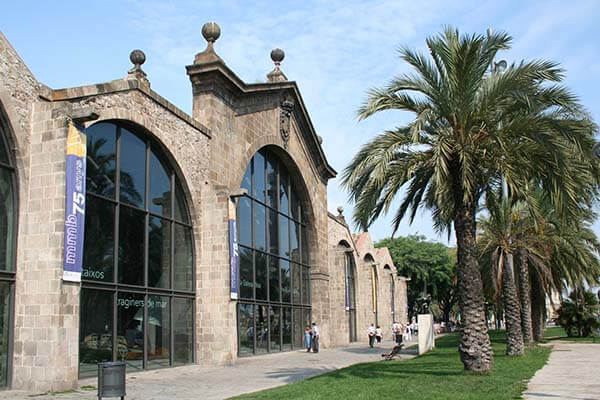
Museu Marítim de Barcelona
Barcelona, Spain m.maritim@diba.cat WebsiteThe Maritime Museum of Barcelona has built since 1929 a major group of collections that illustrate the Catalan seafaring culture and which help understand the nature of the country’s maritime history. The Museum is located at the Royal Shipyards of Barcelona, a highly valuable example of civil architecture.
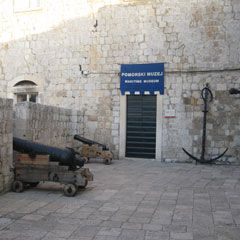
Pomorski Muzej
Dubrovnik, Croatia dubrovacki.muzeji1@du.t-com.hr WebsiteThe Dubrovnik Maritime Museum is located in St. John's Castle. The permanent display consists of 4,000 collection objects owned by the Museum, which illustrate the naval history of Dubrovnik and the surrounding region. Among the exhibits are ship models dating back to the 17th, 18th and 19th centuries, as well as flags, cannons and other weapons, figureheads, nautical instruments, log books, and various documents. The Museum holds a valuable library containing many rare books and important archival materials.
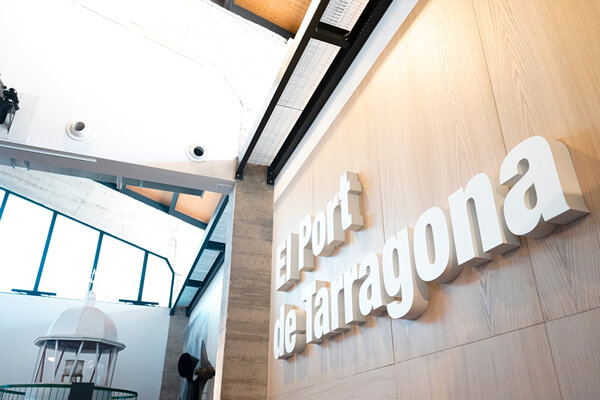
Museu del Port de Tarragona
Tarragona, Spain museuport@porttarragona.es WebsiteIn the year 2000, the Port of Tarragona Museum was inaugurated. The port offers to take you on a historical journey from the time the Romans arrive right up until the present day. You can learn about life on the docks, different types of fishing, leisure activities and the vessels and cargo associated with our waters.
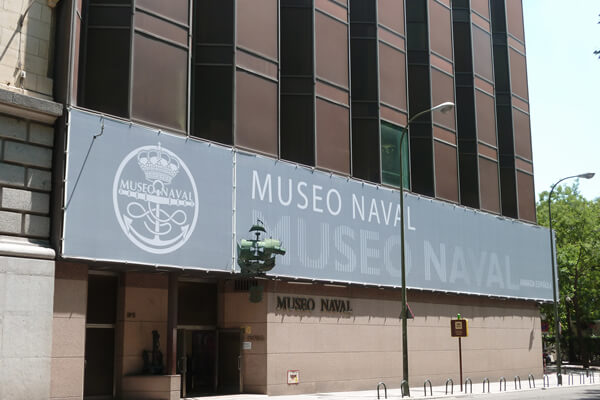
Museo Naval de Madrid
Madrid, Spain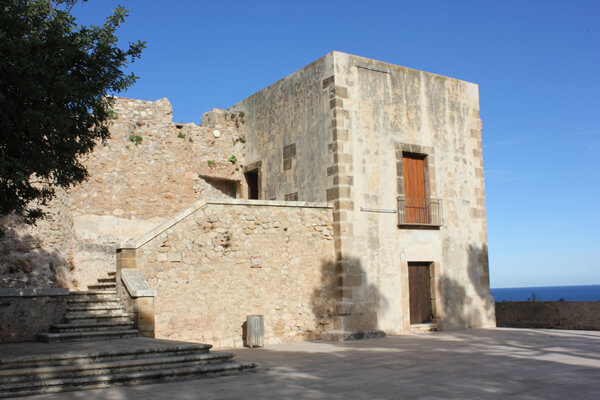
The Museo Arqueológico de la Ciudad de Dénia
Dénia, Spain
International Centre of Croatian Universities
Dubrovnik, Croatia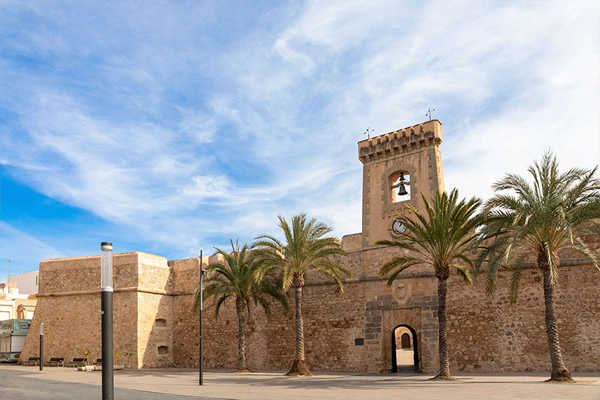
Museo del Mar
Santa Pola, Spain museo1@santapola.es WebsiteEl Museo de la Ciudad de Crikvenica, situado en el antiguo Ayuntamiento, en el corazón de Crikvenica, se creó en 2008. El museo recoge objetos que documentan la vida en la zona de Crikvenica y sus alrededores desde la prehistoria hasta la última mitad del siglo XX. La pesca ha sido una de las principales ocupaciones de los nativos de Crikvenica, teniendo especial importancia para el crecimiento de Crikvenica y las comunidades circundantes. El Museo reúne herramientas de pesca, modelos de embarcaciones, material documental, cartas de navegación, fotografías y literatura que dan testimonio del desarrollo de la pesca a nivel local y en el Adriático en general. Estos materiales se exponen en la "Cabaña del Pescador" de Jadranovoa y en la embarcación tradicional restaurada "Smilja", atracada en el puerto de Crikvenica.
Ecomuseo marittimo di Salerno
Salerno, ItalyParc naturel marin du golfe du Lion
Parc naturel marin du golfe du Lion, Argelès sur Mer, France, France WebsiteAssociazione Vela Latina Tradizionale
Stintino, Italy